A Common Sense Guide to Gun Control

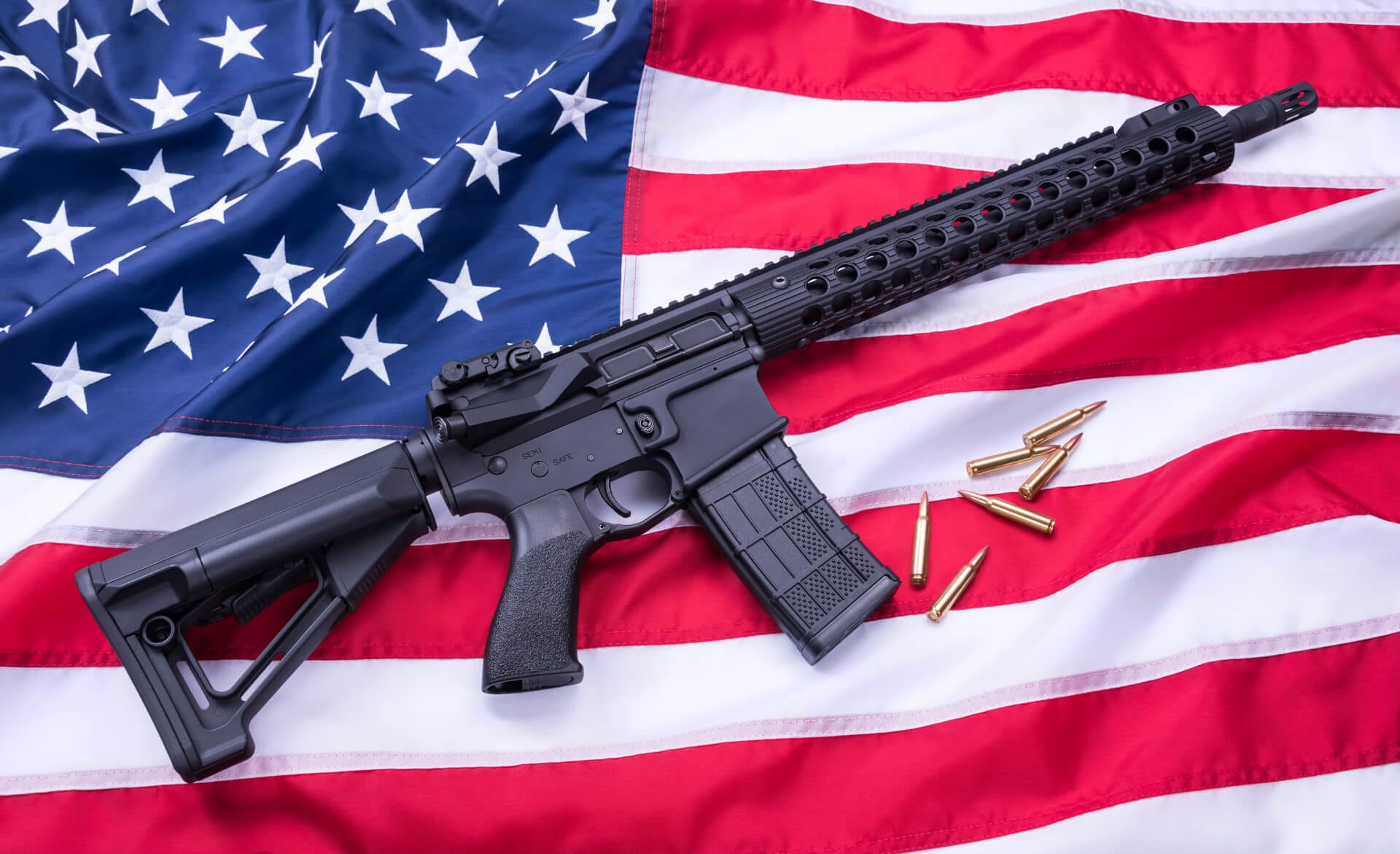
What might a rational gun policy look like in the United States? Here are some ideas I have:
AR-15s and Similar Assault-Style Rifles
These can be legally owned, but they should probably be kept at certified shooting ranges, locked away in secure storage. Owners may, of course, use them recreationally or competitively. This approach preserves what are called “hobbyist rights,” while keeping high-capacity weapons out of homes and public spaces. Why does an American citizen need an AR-15 anyway? It seems more sensible to leave them in the hands of the police and military.Handguns for Home Defense
People can own handguns in the home, but ownership should require a licensing process that includes:A comprehensive background check
Safety training and proficiency testing
Periodic renewal of permits
Proof of secure storage
A demonstration that one truly needs a gun for self-defense purposes
Earning The Right
Since guns are designed to kill people, ownership should be earned, like driving a car or practicing law. These aren’t toys. In many cases, we are talking about life and death.
Background Checks and Disqualifications
People with histories of violent crime, domestic abuse, or serious psychological instability should never be allowed to own guns. This is common sense.Cultural Shift and Education
Gun safety should be taught not only as a technique, but as a philosophy. We must push the idea that rights (especially such a weighty right like this one) entail serious responsibilities. We should also try to break through the dreary and cheesy “Don’t tread on me” masculine/cowboy consciousness. There are, indeed, people who purchase guns (mainly men driving Ford pick-up trucks with gigantic tires) not for hunting, self-defense, or even recreational fun, but because they just feel so badass owning one. I kid you not. I personally know some of these people.

Meeting these goals won’t be easy, however, since America has a profound obsession with guns. After all, guns are soaked into our founding story. They are indicative of freedom, masculinity, frontiersmen, cowboys, and so forth. While every nation faces the balance between liberty and safety, few resemble America’s path. In most of the developed world, gun ownership exists, but it’s wrapped up in a framework of regulation and serious civic responsibility. Japan, for instance, permits its citizens to own shotguns or air rifles, but only after passing psychological tests, police interviews, written exams, and inspections of their storage methods. The renewal process requires continuous proof of responsibility. And where has this seriousness led? Well, Japan’s rate of gun deaths is almost nonexistent. What about Germany? Firearms can be owned for hunting, sport, or self-defense, but each purpose requires a license, training, and demonstration of legitimate need. Psychological health is assessed, storage is inspected, and so forth. Germans, like the Japanese, have not surrendered their rights entirely. Instead, they have enough common sense to foster a culture of accountability and safety. The Nordic countries offer yet another model. Finland, Norway, and Sweden have high gun ownership, mostly for hunting, but gun violence remains quite rare. Ownership is accompanied by rigorous safety courses and community standards that stigmatize the sort of proud gun culture we see here in America. In these places, and I really want to stress this, guns aren’t what it means to be “free” or “masculine.” This is a deeply American belief — one that has clouded our judgment for quite a long time. When all is said and done, America could be a far safer place if we implemented some of these policies we see elsewhere. We can live in a country where shootings are no longer a normal part of our daily lives. Let’s strive to make that happen.