
Miracles Just Aren’t Persuasive

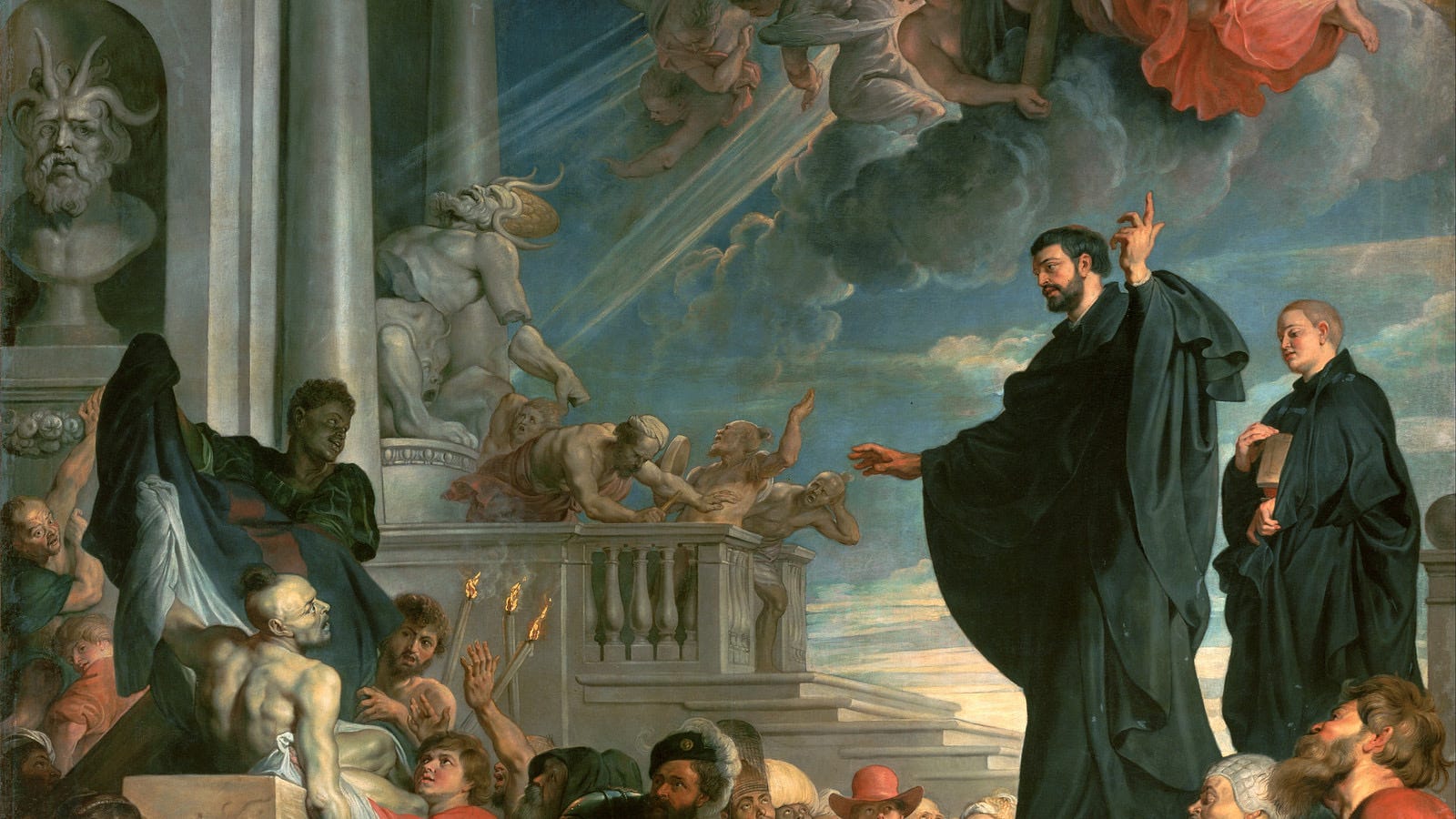
Many religious people believe in miracles. What they take to be a miracle is some sort of divine intervention on behalf of God, that is, an intervention that alters a particular state of affairs in an extraordinarily unusual way. For instance, take the case of James Drain. Shortly after becoming a Christian, Drain decided to get baptized. He claimed that after coming up from the water, his vision began to return almost immediately. According to Drain, he had been legally blind for eight years because of severe optic nerve damage. If this case is true, then it’s certainly extraordinary. I have never thought that miracles are impossible. After all, I am a theist, so I remain open-minded about them. Be that as it may, I am very skeptical that miracles occur in the ways they are commonly understood.
Perhaps the most glaring problem of all is that if miracles really do occur, they seem incredibly selective and almost entirely random.1 They also appear to be distributed in arbitrary ways. In other words, if God intervenes to heal one person’s cancer, but not someone else’s cancer, or saves a 90-year-old while allowing a 5-year-old to die, then many deeply troubling questions arise. Some questions that come to my mind are the following: What principle guides these interventions? Why would God answer some prayers, but not others? Why intervene in what seem to be far less urgent cases while allowing immense suffering elsewhere? Of course, many Christians will appeal to familiar theodicies. They will say things like, “God has his ways,” or “We don’t know his reasons,” or “Miracles are signs of God’s presence, not some sort of genie granting our wishes,” or “All of our suffering will be transformative in the new world to come anyway,” and so on. None of these responses, however, make much sense to me, nor do they explain very much at all.
Now, someone who genuinely believes in miracles may respond by saying that the apparent unfairness or randomness of miracles doesn’t show that they never occur. They would be correct here. At most, it would show that, if miracles do happen, God’s purposes remain unknown to us. That said, since it’s summer, consider the following analogy. Imagine a lifeguard watching two children drowning side by side. He jumps into the water and saves one child, but watches the other child drown. When asked why he didn’t save the second child, someone says, “Well, he has his own reasons.” Even if that were true, we would still want to know what these reasons were. And we would demand to know right away. Merely saying, “He has his own reasons,” isn’t explanatory, nor is it morally intelligible. It doesn’t tell us why one child was rescued while the other was left to die.
So, if divine intervention is genuinely possible for God, and if God truly loves us, then you would expect miracles to be directed toward the most vulnerable in a pattern-like way. However, miracle claims don’t seem to follow this pattern at all. This alone shows why we should be very skeptical of miracles. Again, think about the case of a 90-year-old man whose cancer is cured while a 5-year-old dies of leukemia despite her parents desperately praying for God to spare her life. Or think about Drain’s case again. Even if his optic nerve damage was miraculously healed, why would that intervention take priority over a child suffering from, say, Batten disease? This is a devastating illness that causes progressive blindness, seizures, neurological decline, and a tragically shortened life. What “higher good” or “hidden reason” could possibly explain this? What, exactly, is God up to? As far as I can tell, there is no intelligible answer.
However, as I have argued here and here, God is probably limited in some way. This would explain why we see so much suffering in our world, much of which not only seems, but almost certainly is, completely senseless and random. If God were truly all-powerful and fully capable of eradicating childhood cancer tomorrow, why wouldn’t he? God could simply introduce a new biological law, or alter an existing one, that prevents cancer from developing in children altogether. If this were to happen tomorrow, it would be a miracle worthy of our attention. It would also track with God being all-powerful and perfectly loving. In other words, we should expect our world to be free from things like childhood cancer.
Once we set aside our theological assumptions, it becomes difficult to conclude that God is exercising miracles in our world, at least not in any obvious or consistent pattern. This is why thinking philosophically should always take the high ground. Far too often, theological explanations fail to account for what we actually observe here and now. Nothing, for instance, about Jesus dying on a cross explains why children die of cancer here and now. Nothing about a future world or appeals to God’s mysterious purposes explains why hurricanes, earthquakes, and tsunamis occur here and now. Nothing about soul-building or free will tells us why God would allow a deer to be trapped under a tree, starving in agony for over a week before it dies. Most theodicies, then, ultimately defer their explanations to realities beyond our present reality. So, they have far less explanatory power than many seem to think. For this reason, it seems unlikely that God performs miracles in the ways many people imagine. Perhaps the only real miracle is that anything exists at all rather than absolutely nothing. But beyond this, what we call miracles are most likely the result of causal, natural, or biological processes that we do not yet fully understand.
I have always been startled by how excited and passionate religious believers become over purported miracles. After all, as I said, these miracles seem highly selective and arbitrary. If God has the power to intervene and prevent suffering, why do these interventions seem to occur only in isolated cases while many others, often involving far greater suffering, receive no intervention? Imagine a doctor who had the full power to cure and eradicate childhood cancer, but chose instead to heal a few children here and there, while allowing the vast majority to die. Or imagine that this doctor cured a random middle-aged person’s chronic migraines while ignoring a 10-year-old child suffering from the same sort of migraines. What would we think about this doctor? We would be deeply perplexed and angered by this doctor’s actions. We would also think that this doctor simply doesn’t have the power to save everyone. In other words, he is limited or constrained. Now, whatever justification he may give for his inaction, it would almost certainly make no sense, especially given his total power to intervene. It would only seem to make sense if he said, “I am limited, so I can’t save everyone, although if I could, I would.”
Nice post. I agree with your key points: 1) I don't really need to investigate every miracle claim like it's my full-time job and I'm a true crime podcaster. If some priest really flew while performing mass many years ago, what would that even mean to me? What capricious kind of God is that, and what relationship could I have with him? 2) A lot of the problems of God allowing bad things to happen go away if you simply drop the requirement for classical theism. So do it.
"Imagine a doctor who had the full power to cure and eradicate childhood cancer, but chose instead to heal a few children here and there, while allowing the vast majority to die."
Does this doctor also have the power to take care of children in the afterlife?
Usually, we think living doctors cannot do anything to dead children, which is why we think it is required for those doctors to heal as many children as they can.
If God is omnipotent and omnibenevolent, then choosing to heal a few children here and there instead of curing and eradicating childhood cancer in this earthly life is considered a supererogatory action. Miracles are seen as supererogatory. God isn't required to heal any children at all in this life since He will take care of them in the afterlife. Miracles are seen as gifts, expressions of grace.